

BPC-157 5mg TB-500 5mg (Blend), 10mg
$ 96.92
While both peptides are investigated for their roles in tissue regeneration, they operate via distinct biological pathways. Their combined use in preclinical models is of significant interest due to their potential to provide a comprehensive approach to cellular repair. BPC-157: The Angiogenic Catalyst Primary Function: Derived from a gastric protein, it is studied for its ability to promote the growth of new blood vessels (angiogenesis). Molecular Interaction: Research focuses on its ability to modulate growth factors and cytokines, providing the blood supply and nutrient delivery necessary for damaged tissue. TB-500: The Cellular Architect Primary Function: A synthetic fragment of Thymosin Beta-4, TB-500 is primarily researched for its influence on cell migration. Molecular Interaction: It binds to actin (a major component of the cell cytoskeleton), facilitating the movement of cells to the site of injury. It is also heavily studied for its role in inflammation regulation and the remodeling of the extracellular matrix. Key Scientific Objectives of the Blend Tissue Remodeling: Investigating how the two peptides together influence the structural integrity of tendons, ligaments, and muscle fibers. Inflammatory Modulation: Observing the systemic and localized response to inflammatory conditions in experimental models. Accelerated Repair: Analyzing whether the presence of both peptides results in a faster rate of cellular proliferation compared to isolated use. Chemical & Technical Profile Feature BPC-157 Component TB-500 Component Molecular Formula $C_{62}H_{98}N_{16}O_{22}$ $C_{209}H_{350}N_{56}O_{78}S_{1}$ Purity >99% (HPLC) >99% (HPLC) Primary Action Growth Factor Modulation Actin Binding / Cell Mobility Format Lyophilized Powder Lyophilized Powder
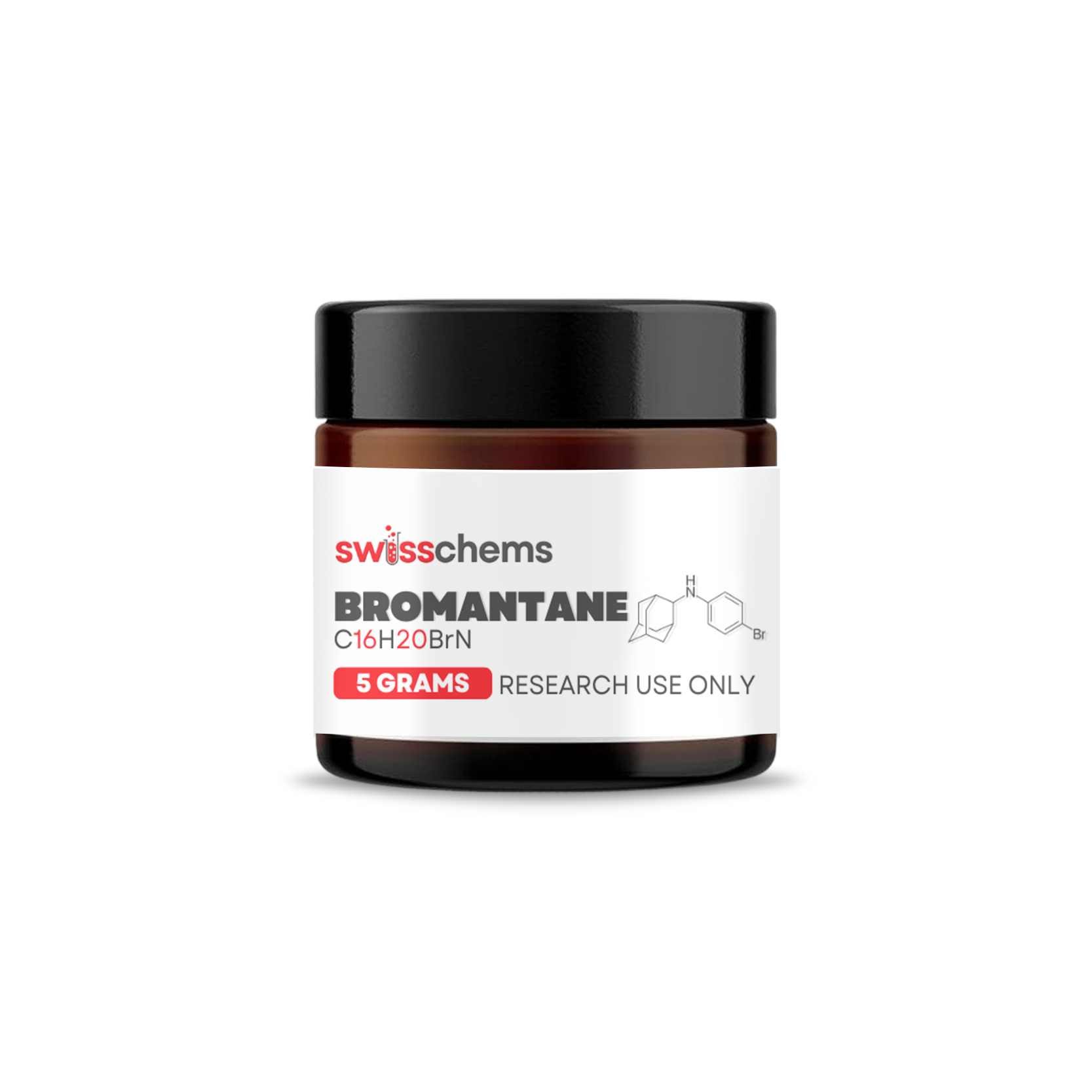 Bromantane, 5 grams Powder
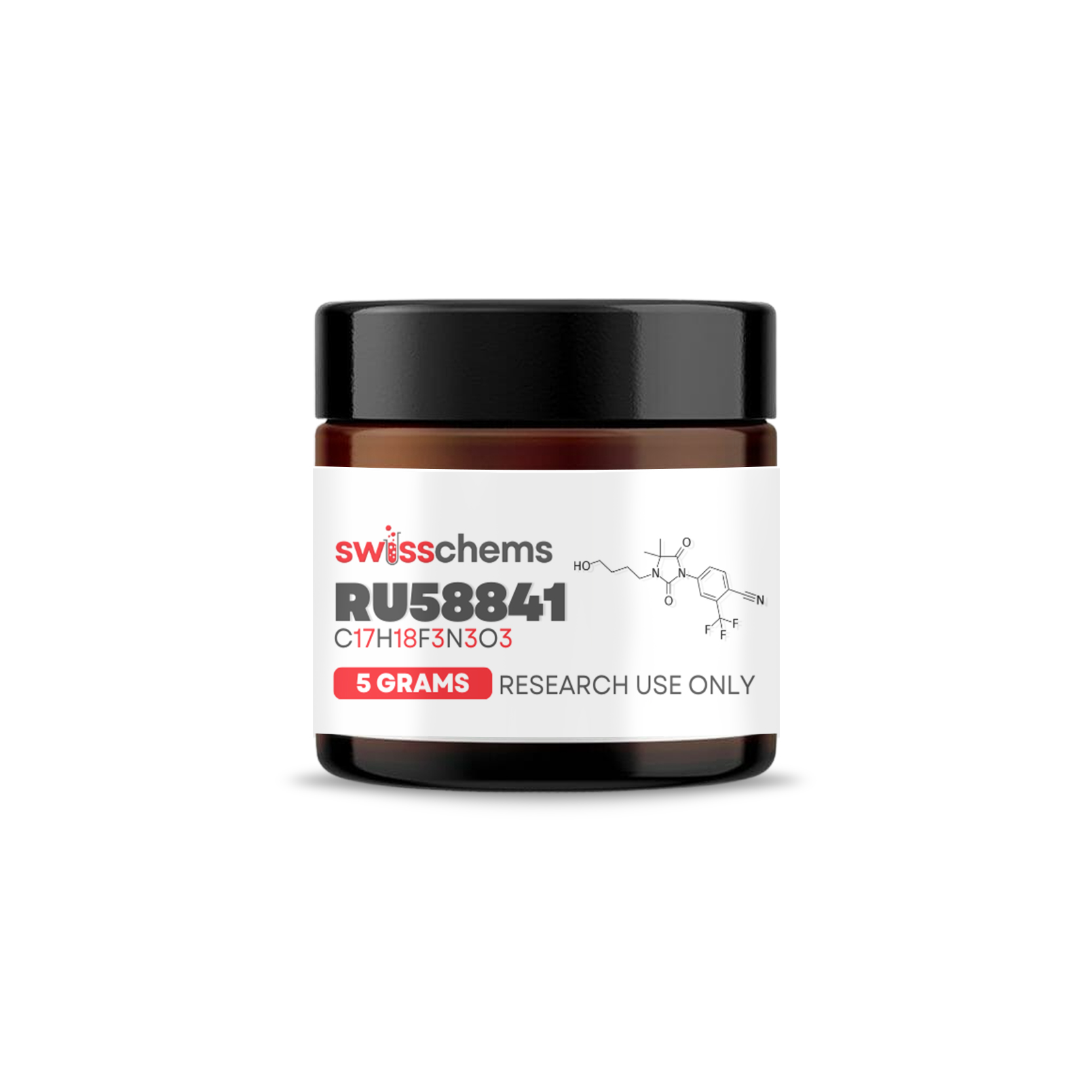 RU58841 – Powder, 5 grams
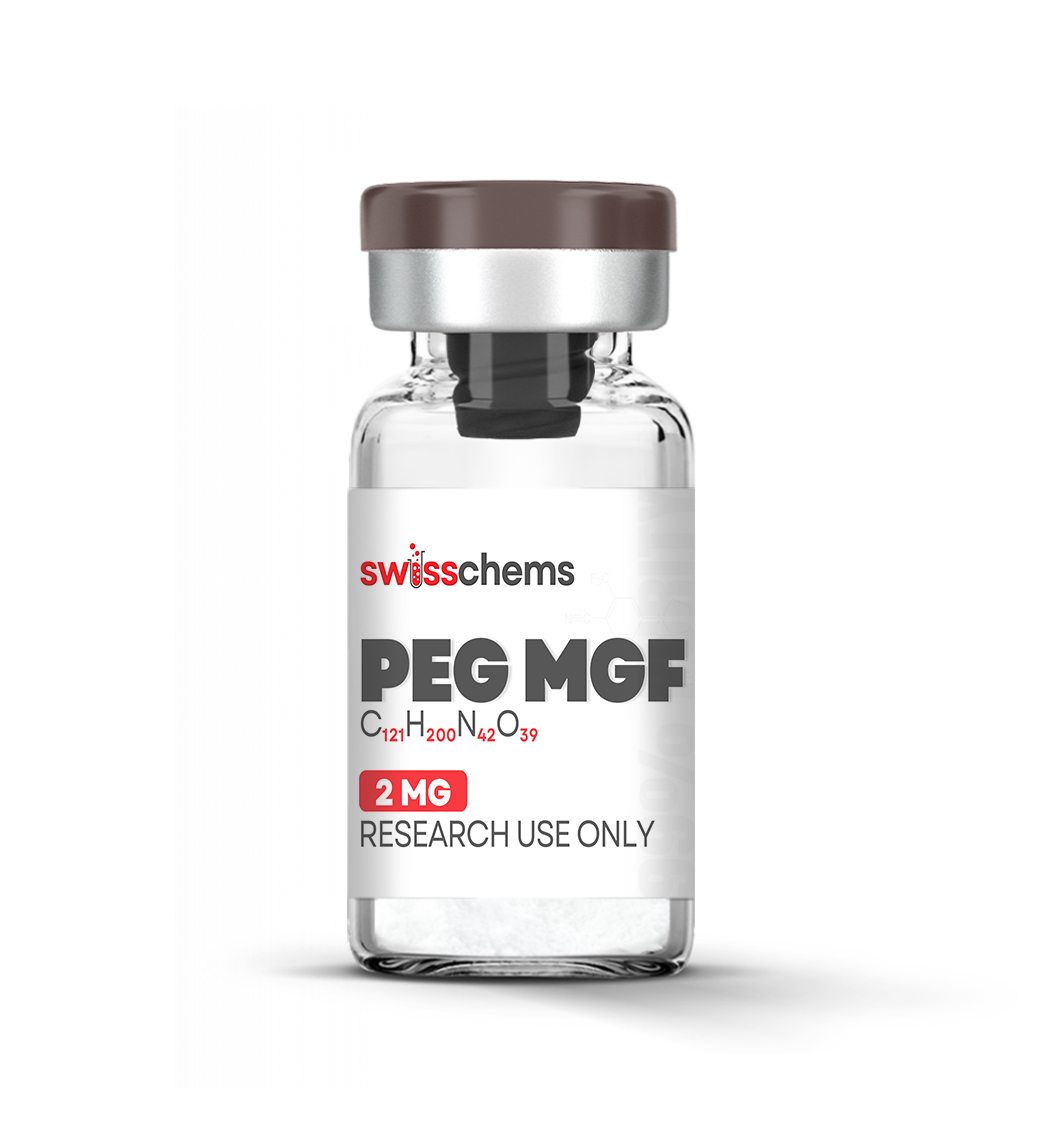 PEG MGF 2 mg (1 vial)