
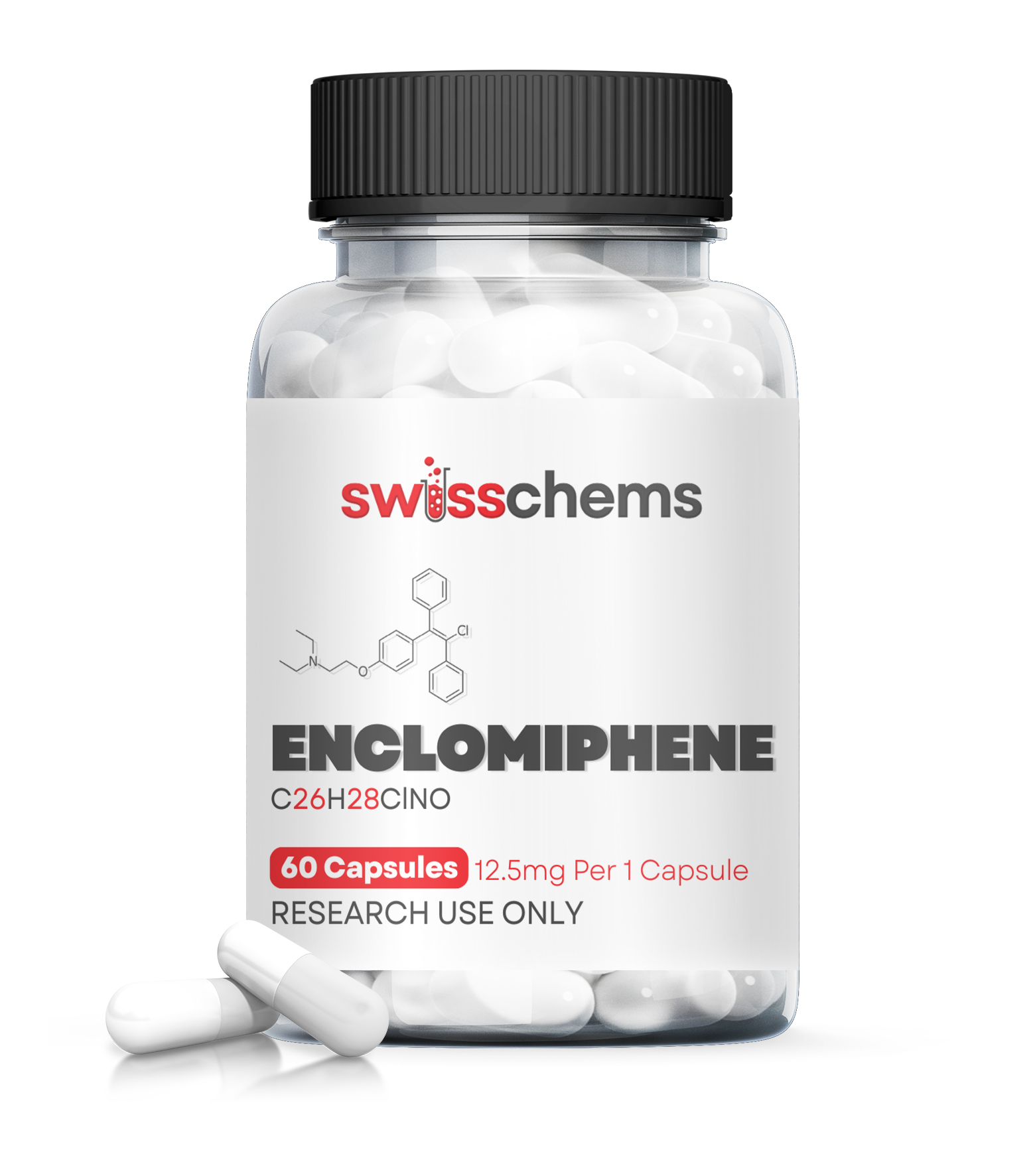
Enclomiphene (12.5mg/capsule), 60 Capsules
$ 71.96
The research value of Enclomiphene Citrate lies in its ability to selectively modulate the HPG axis. By isolating the trans-isomer, researchers can observe a more potent and predictable endocrine response. Key Areas of Laboratory Investigation: Selective Estrogen Receptor Antagonism: Enclomiphene Citrategen receptors in the hypothalamus and pituitary gland. By blocking the negative feedback of estrogen, it induces an increase in the pulsatile secretion of Gonadotropin-Releasing Hormone (GnRH). Gonadotropin Elevation (LH & FSH): Studies focus on the resulting rise in Luteinizing Hormone (LH) and Follicle-Stimulating Hormone (FSH). In male experimental models, this cascade is utilized to observe the stimulation of Leydig cells and the subsequent increase in endogenous testosterone production. Comparison with Zuclomiphene: Research indicates that while zuclomiphene (the cis-isomer) has a long half-life and demonstrates pro-estrogenic activity, Enclomiphene is cleared more rapidly and acts strictly as an antagonist. This makes it a superior subject for studies requiring a “clean” anti-estrogenic profile. Spermatogenesis Models: Beyond hormonal levels, Enclomiphene is investigated for its potential to support or restore spermatogenesis by maintaining high intratesticular testosterone levels via FSH modulation. Chemical & Technical Specifications Property Specification Chemical Name (E)-2-[4-(2-chloro-1,2-diphenylethenyl)phenoxy]-N,N-diethylethanamine Molecular Formula $C_{26}H_{28}ClNO$ (Base) Molecular Weight 405.96 g/mol Purity ≥99% (HPLC Verified) CAS Number 15690-57-0 Appearance White to Off-White Crystalline Powder
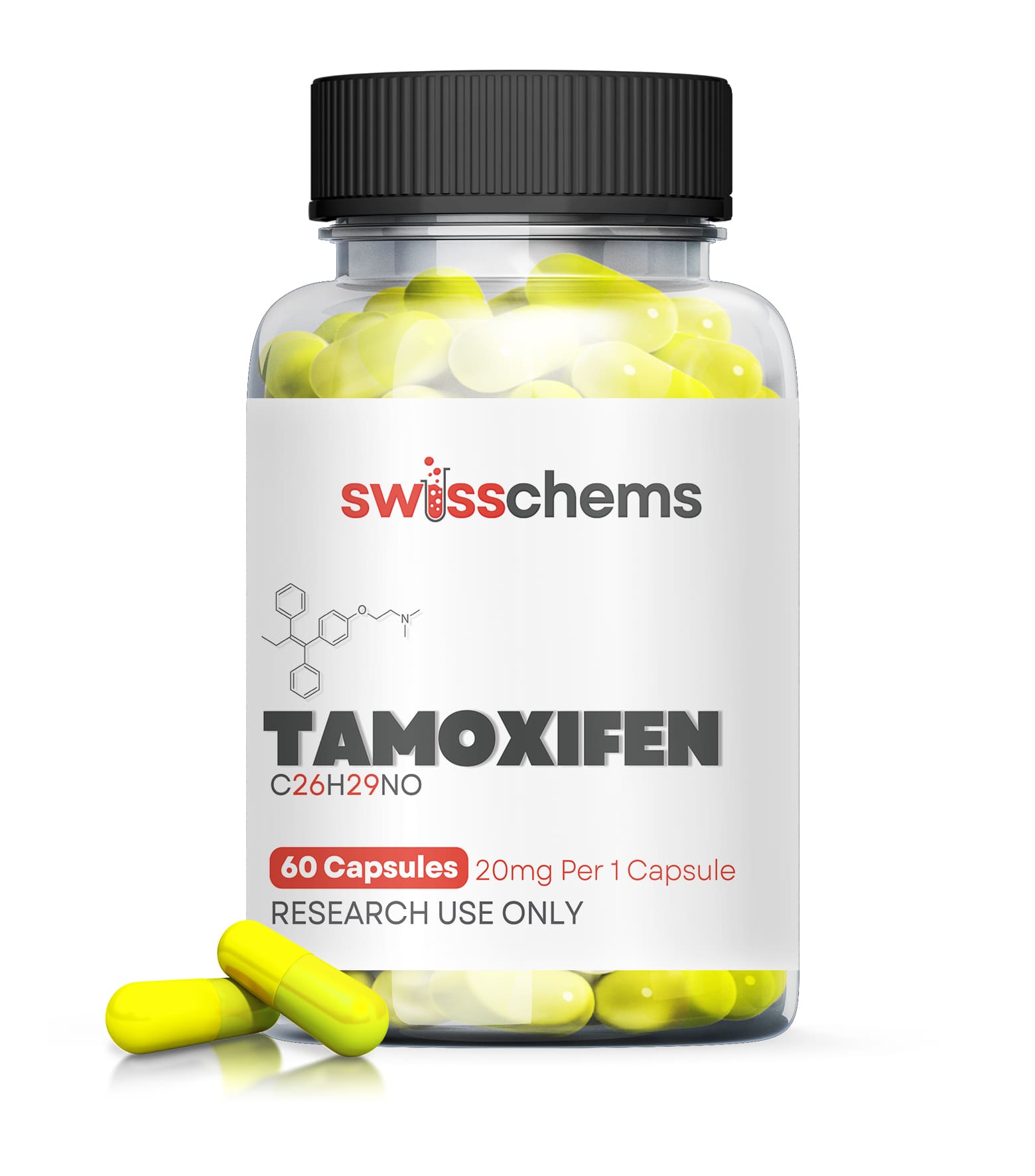 Tamoxifen (20mg/capsule), 60 Capsules
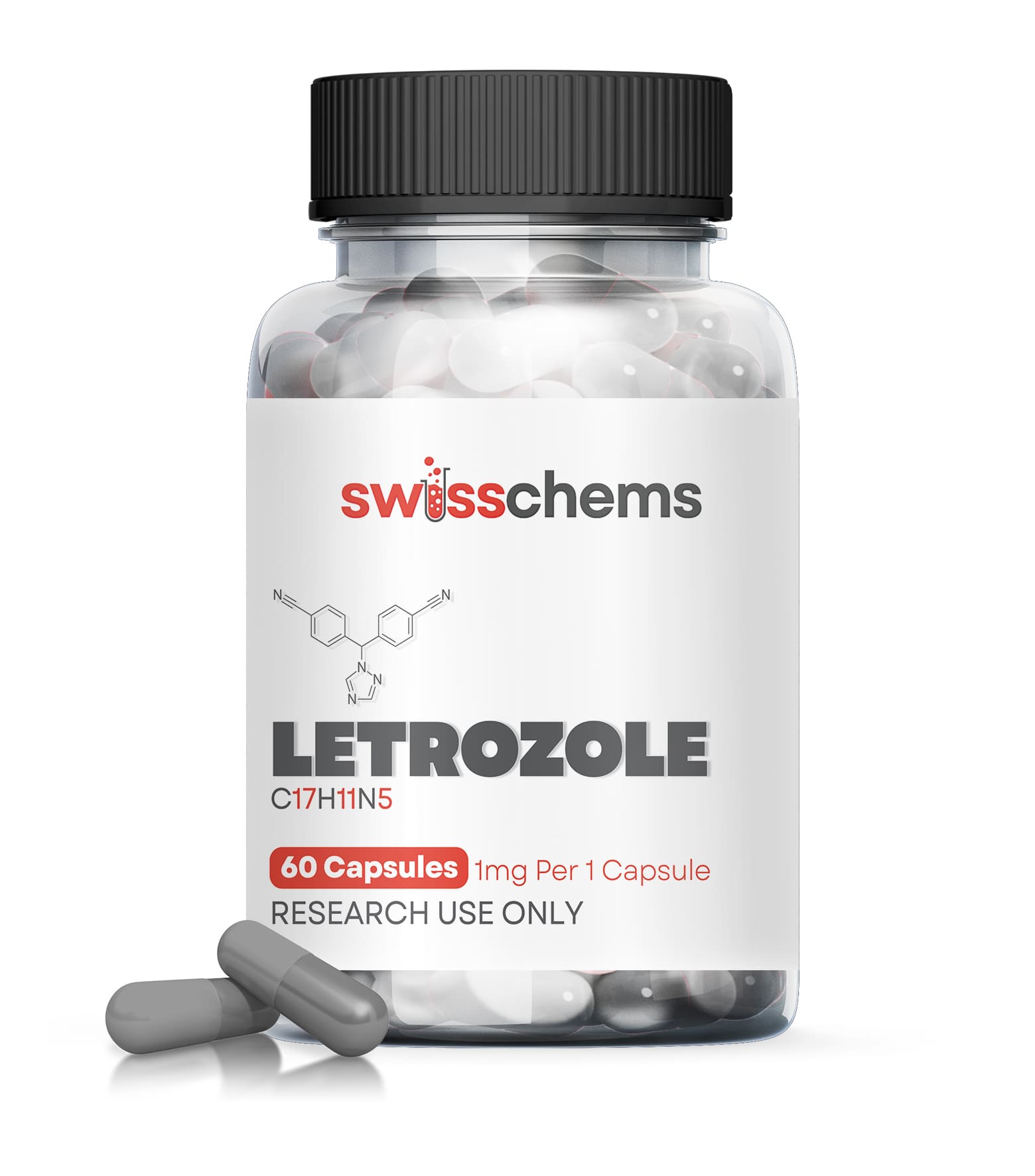 Letrozole (1mg/capsule), 60 Capsules
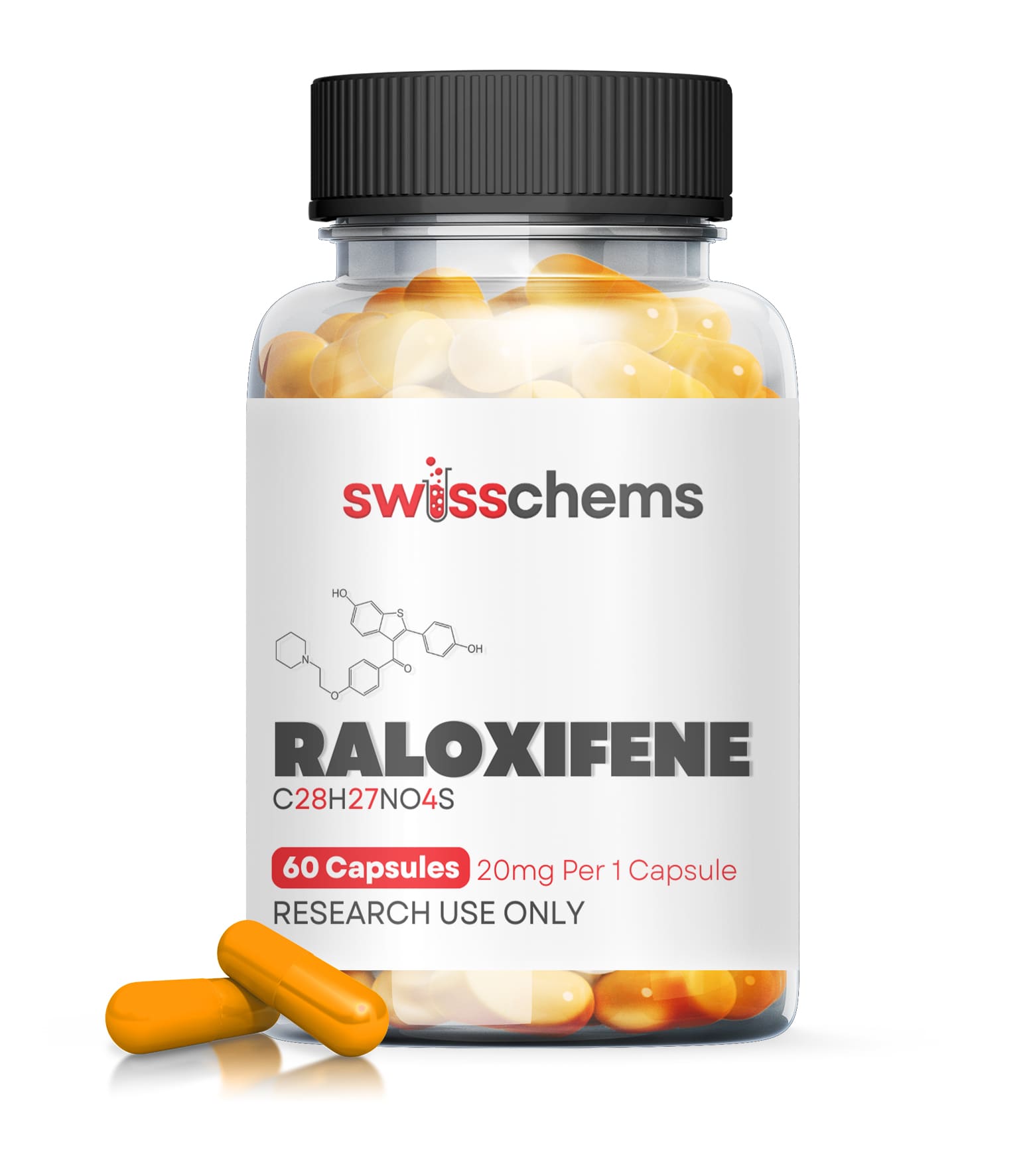 Raloxifene (20mg/capsule), 60 Capsules